
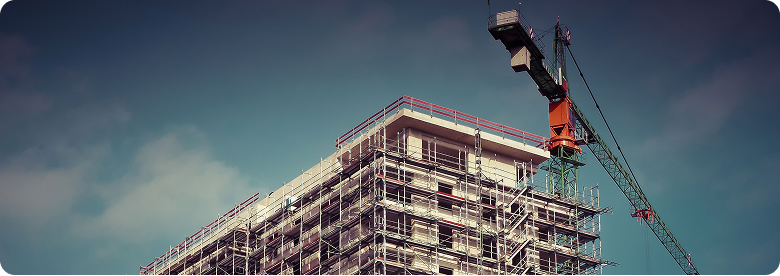
Multi-Family
Building structures designed to house multiple separate households such as apartment buildings, townhouses, and duplexes, all within a single complex, offering shared infrastructure and amenities. These projects focus on efficiency, cost-effective design, and high-end amenities like dog parks or coworking spaces.
Mixed Use
Blends residential, commercial, cultural, or industrial uses into a single building or integrated, walkable neighborhood. These developments are designed to foster vibrant, dense, and sustainable communities, often featuring ground-floor retail beneath residential or office space.
Rehabilitation
Involves repairing, upgrading, or modifying existing structures to improve functionality, safety, and lifespan while often modernizing systems or preserving historic character. It covers structural repairs,
such as seismic retrofitting or foundation work, alongside cosmetic renovations to enhance usability.
Adaptive Reuse
Repurposes existing, often historic, structures for new functions rather than demolishing them, reducing carbon emissions by up to 40% and saving significantly on materials.
It revitalizes urban areas, lowers construction costs, and transforms warehouses, factories, or offices into modern residential, retail, or commercial spaces, blending historic character with modern functionality.
Commercial
Building structures designed for business, public, or income-producing purposes, such as offices, retail centers, warehouses, hotels, etc. These, often large-scale, projects prioritize functionality, strict regulation compliance, and profit.
Residential
The building, alteration, or repair of structures designed specifically for people to live in, typically consisting of single-family homes, townhouses, and condominiums. These projects generally utilize wood-frame construction methods and differ from commercial projects in scope, building codes, and material usage.
Light Industrial
The building of smaller-scale, flexible, and often stanadardized facilities used for manufacturing, assembly, warehousing, and distribution. These structures, typically under 2 stories, feature open layouts with durable materials like steel and concrete. Examples include warehouses, assembly plants, food processing facilities, R&D labs, and logistics centers.
Sports & Entertainment
Building specialized, high-tech, and multi-purpose venues designed to host athletic competitions, live performances, and leisure activities. These projects range from professional stadiums and arenas to theme parks and entertainment districts, focusing on fan experience, safety, and community impact
Healthcare
A specialized discipline focused on building, renovating, and maintaining medical facilities—such as hospitals, clinics, and labs—under strict regulatory, safety, and infection-control standards. It requires unique expertise in managing complex, often operational environments to ensure patient safety while integrating advanced medical technology.
Education
The building of facilities used for learning, including schools, universities, labs, and libraries. It involves new construction, renovation, or remodeling to support educational activities, safety, and sustainability. Key examples include modular classrooms, gymnasium construction, and university infrastructure development.